

Recovery, Resilience & Travel Updates
On August 10, 2026, a powerful earthquake struck western Colombia, deeply affecting communities across parts of the country.
The human impact has been heartbreaking. Families have lost loved ones, homes and livelihoods. Buildings, roads, businesses and public infrastructure were damaged, and some communities are now facing a long process of recovery and reconstruction.
But there is another important part of Colombia’s story that travelers should know:
Colombia is not closed.
Colombia is a vast and diverse country. While some communities are rebuilding, many destinations were not significantly affected and continue welcoming visitors. In other places, particularly communities that depend heavily on tourism, businesses and attractions are reopening and residents are encouraging travelers to return.
Destinations Welcoming Travelers
Many of Colombia’s best-known destinations are far from the areas that experienced the greatest damage and continue to receive travelers.
Destinations including Cartagena, Medellín, Bogotá, Santa Marta and other parts of Colombia continue their tourism activities.
Hotels, restaurants, tour operators and attractions in these destinations continue welcoming visitors, and Colombia’s tourism industry is encouraging travelers not to assume that the earthquake has closed the country.
For travelers with upcoming plans, the best approach is simple: stay informed, confirm local conditions and continue traveling responsibly where tourism is operating normally.
Choosing to continue a planned trip can support thousands of Colombians whose livelihoods depend directly or indirectly on tourism.
The Coffee Region: Tourism Is Returning
The Coffee Region tells one of the most encouraging stories of Colombia’s recovery.
The earthquake affected different communities throughout the region, but the impact was not the same everywhere.
In destinations such as Salento and Filandia, tourism businesses are operating and communities are encouraging visitors to return.
In Salento, hotels, restaurants, local transportation and tourism experiences are welcoming travelers again. The spectacular Cocora Valley, one of Colombia’s most recognizable landscapes, is once again part of the visitor experience.
Filandia is also receiving visitors while repairs continue in some affected attractions. This distinction is important: recovery does not always mean that an entire destination is closed.
Other important attractions in Quindío are also returning.
The Parque del Café reopened after completing inspections and preparations following the earthquake, an important step for a region where tourism supports thousands of families and businesses.
These reopenings mean much more than the return of visitors.
Every hotel room, restaurant meal, cup of locally grown coffee, guided experience, transportation service and purchase from a small business contributes to an economic chain that supports local families.
For communities that depend on tourism, travel can become part of the recovery.
Pereira: Reconnecting While Recovery Continues
Pereira was significantly affected among the cities by the earthquake.
Recovery continues across the city, but an important step forward has already begun air connectivity is gradually returning through Matecaña International Airport, with limited flight operations resuming as the region works toward greater connectivity.
Pereira’s story demonstrates an important reality following a disaster.
A destination does not move overnight from “affected” to “recovered.”
Transportation can restart while buildings are still being assessed. Businesses can reopen while families continue rebuilding. Visitors can gradually return while reconstruction remains underway.
Recovery happens one step at a time.
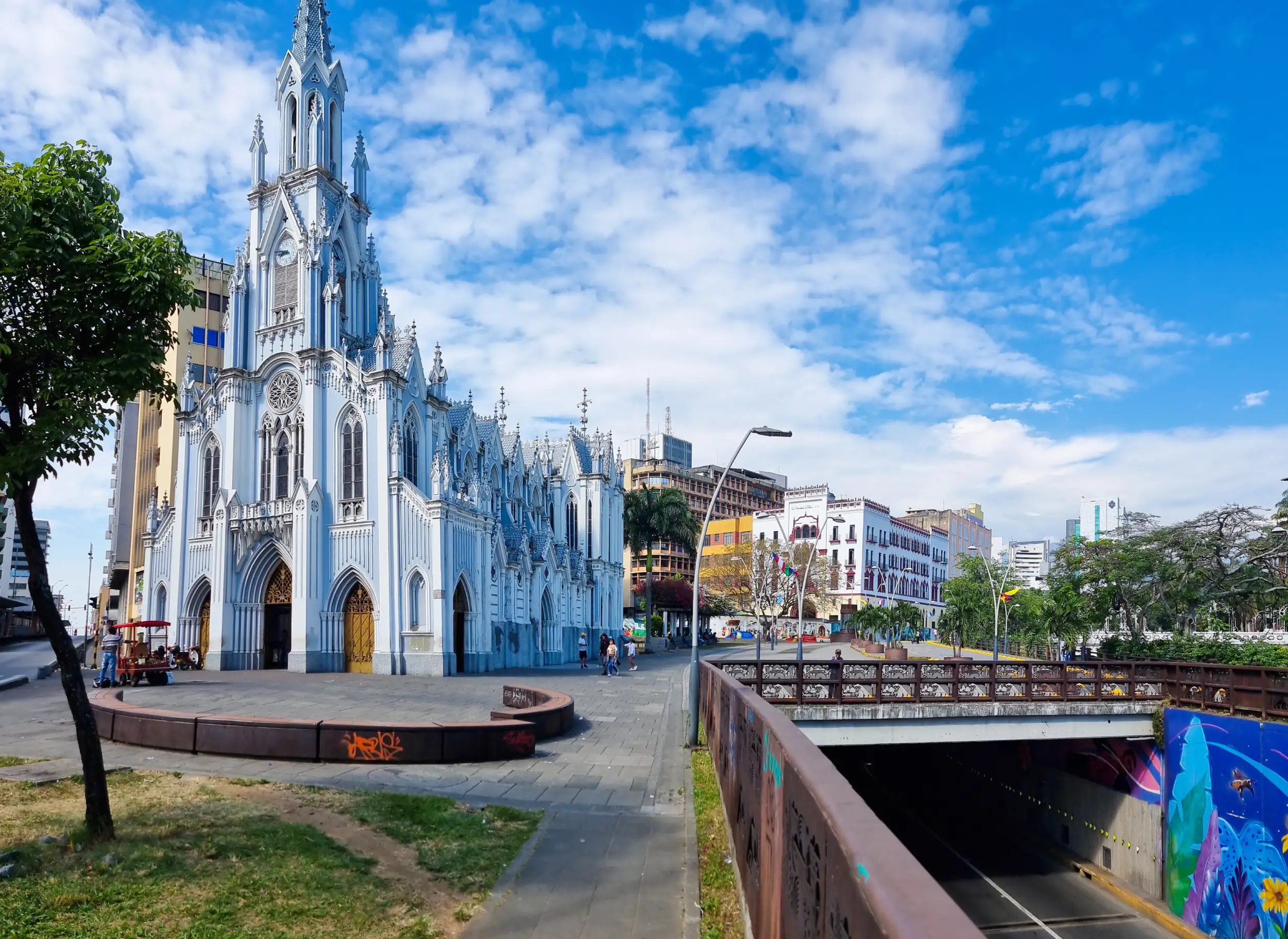
Cali Is Rebuilding
Cali, one of Colombia’s largest cities and the cultural heart of the country’s southwest, experienced significant damage from the earthquake.
Today, the city has entered a new phase.
Search operations among collapsed structures have concluded, thousands of tons of debris are being removed, damaged buildings are being evaluated, assistance continues for affected families, and authorities have begun planning the reconstruction of impacted areas.
By August 23, local authorities reported that more than 42,000 tons of earthquake debris had already been removed from affected areas.
But Cali is much larger than the neighborhoods and structures damaged by the earthquake.
Life continues across the city while reconstruction moves forward in the areas that suffered the greatest impact.
- Restaurants continue cooking.
- Businesses continue opening their doors.
- Communities continue supporting one another.
- And Cali is preparing for what comes next.
Cali is rebuilding not standing still.
Communities Where Recovery Remains the Priority
Other communities have experienced more severe consequences and will require considerably more time, resources and support.
Parts of Buenaventura, Chocó, Valle del Cauca and other areas of western Colombia suffered extensive damage. Some communities continue dealing with damaged homes and infrastructure while humanitarian assistance and reconstruction efforts move forward.
In these places, the priority remains supporting residents, restoring essential infrastructure and helping families rebuild their lives.
Their stories should not disappear as international attention moves elsewhere.
Recovery after a disaster lasts much longer than the news cycle.
One Country. Different Realities.
There is no single description that captures Colombia after the earthquake.
Some communities are rebuilding.
Some destinations are reopening.
And many others continue operating normally.
That is why travelers should avoid two extremes: pretending that nothing happened or assuming that the entire country has been devastated.
Both stories can be true at the same time.
Colombia experienced a heartbreaking natural disaster.
And Colombia remains one of the world’s most extraordinary travel destinations.
Its mountains are still there.
Its Caribbean coast is still there.
Its coffee farms, colorful towns, music, food, culture and extraordinary people are still there.
And in many communities, welcoming visitors again is becoming part of moving forward.
Travel Can Be Part of the Recovery
Tourism cannot rebuild a home or replace what a family has lost.
But responsible tourism can help restore livelihoods.
When travelers stay at locally owned hotels, eat at neighborhood restaurants, hire local guides, visit coffee farms, use local transportation and purchase from artisans and small businesses, tourism dollars circulate directly through communities.
This is especially important in places where a significant part of the local economy depends on visitors.
So continuing to travel to destinations that are ready to receive visitors is not about ignoring what happened.
It is about supporting Colombia while it moves forward.
Our Commitment to Return: Sugar & Coffee Regions 2027
For Magic Journey, this story is personal.
The landscapes and communities of western Colombia and the Coffee Region are not simply destinations we promote. They are places we know, love and are proud to share with travelers.
That is why we remain committed to our Colombia Cycling Journey 2027 — Sugar & Coffee Regions.
Our journey will bring cyclists and their companions through some of the extraordinary landscapes, communities and traditions that make this part of Colombia so special.
Between now and our journey in February 2027, we will continue monitoring local conditions and working with our partners in Colombia as communities recover.
- Returning matters.
- Eating in restaurants matters.
- Staying in the hotels matters.
- Meeting local guides matters.
- Visiting coffee farms matters.
- Supporting the people behind these experiences matters.
We believe travel can be part of Colombia’s next chapter.
Travel beyond the destination. Discover the story.
Explore Colombia Cycling Journey 2027 — Sugar & Coffee Regions →
Staying Informed
Conditions continue to evolve as inspections, repairs and reconstruction progress throughout affected areas.
Magic Journey will continue updating this page as reliable new information becomes available.
Travelers planning trips to affected regions should confirm current conditions with their accommodations, airlines, tour operators and local authorities before traveling.